It began the way most real desert towns do, with stubborn people, hard soil, and the simple hope that water might stay long enough to grow something meaningful.


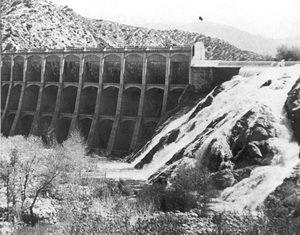
Long before there were paved roads or storefront signs, families came here chasing possibility. They learned quickly that the Antelope Valley does not give easily. Crops failed when rain did not come. Wells ran shallow. Seasons tested resolve. But instead of leaving, neighbors organized. Farmers pooled resources. Landowners worked together. And from that effort came irrigation, canals, and eventually the dam that would shape the future of the valley.
With water came orchards.
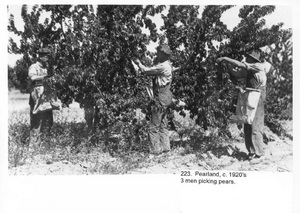
Pear trees spread across the land. Almonds followed. Packing houses rose. Blacksmiths kept wagons moving. The post office connected Littlerock to the outside world. What started as survival farming grew into a working economy built on shared labor, shared risk, and shared reward. By the early twentieth century, Littlerock had earned its reputation as the fruit basket of the Antelope Valley, a place where harvest seasons brought workers together and local business meant real hands doing real work.
This was never a boom town. It was a build town.
Generations grew up here learning that commerce was not something abstract. It was neighbors buying from neighbors. It was produce sold roadside. It was equipment repaired locally. It was families helping families through good seasons and lean ones alike.
As Southern California expanded, Littlerock adapted. Agriculture remained at its heart, but the economy widened. Small shops appeared. Diners welcomed travelers along Pearblossom Highway. Antique stores opened their doors. Local honey stands and produce markets became familiar stops
. People commuted to nearby cities for work and brought that experience home. Service businesses grew. Creatives found space to breathe. Makers found room to build. What had once been purely agricultural became something more layered and resilient.
Even the land itself became part of the story again, as the reservoir and surrounding desert drew visitors seeking quiet, open skies, and connection to nature. Recreation joined farming and small business as another thread in Littlerock’s economic fabric.
Through every change, one thing stayed constant.
Littlerock remained a place powered by individuals who show up.
By ranchers and contractors. By artists and educators. By mechanics, wellness practitioners, photographers, food vendors, and home based entrepreneurs. By people who open their gates, unlock their doors, and greet customers by name.
Business here has always been personal.
It is built on trust. On reputation. On relationships that last longer than trends.
That is the spirit the Littlerock Chamber of Commerce carries forward.
We exist to support the people who keep this town moving. To help local businesses be seen. To bring neighbors together through events and shared experiences. To create opportunities for collaboration and growth. And to honor the long tradition of community driven commerce that has defined Littlerock from its earliest days.
This town was shaped by water, work, and perseverance.
Today, it continues through creativity, connection, and local pride.
And the story is still being written.